
Social Trends
Why Regional-Language Short Video Is Reshaping India's Creator Economy
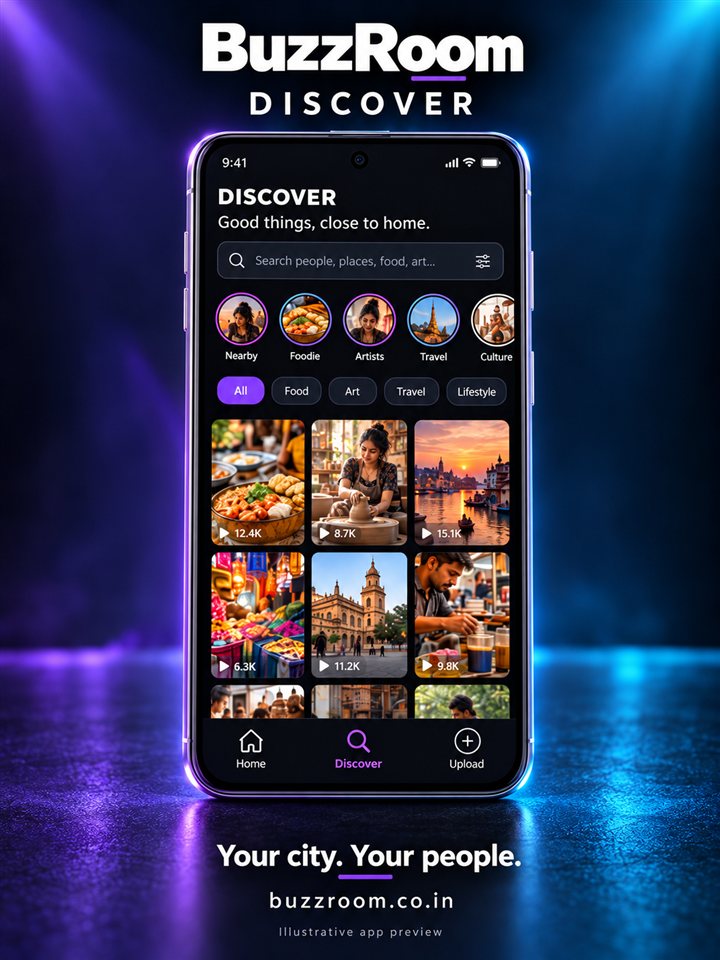
For the first decade of online video in India, visibility correlated with English. Creators who wrote, spoke, and joked in English reached the largest urban audiences, and brands built campaigns around them. Short-form video broke that correlation. When production moved to the phone and distribution moved to the feed, language stopped being a barrier to entry and became an advantage.
The audience moved first
Cheaper mobile data and affordable smartphones brought hundreds of millions of first-time internet users online, many of them outside the largest metros and many of them consuming content in the language they think in. India recognises twenty-two scheduled languages, and everyday speech routinely mixes them: Hindi with English, Marathi with Hindi, Tamil with English. A creator who speaks the way their audience actually speaks can build trust faster than a polished creator translating a script.
Phone-first production lowered the gate
A vertical video recorded on a mid-range Android phone can perform as well as a studio production if the story lands. That removed three barriers at once: equipment cost, editing skill, and the need for a dedicated space. A shopkeeper, a teacher, a farmer, or a college student can publish daily without hiring anyone. The result is content that reflects local life — local food, local humour, local festivals, local problems — rather than an aspirational version of it.
Watch time rewards recognition, not polish
Recommendation systems optimise for whether people keep watching, and recognition is a powerful driver of watch time. A joke that lands in Bhojpuri or a cooking technique explained in Tamil holds attention within its community in a way a generic English video cannot. This is why regional creators often see rapid growth inside a language community before they are discovered by the wider market. The feed does not require a creator to be nationally famous first; it requires them to be relevant to someone.
Code-switching is the native style
The most effective regional content rarely stays in one language. Creators switch mid-sentence, use English for technical terms, and write captions phonetically. This is not a compromise; it is how people speak. Brands that insist on formal, dubbed scripts often sound less authentic than a creator speaking naturally. The lesson is not that language must be pure, but that it must be believable.
The monetisation gap is real
Audience growth and revenue growth do not always arrive together. Advertising budgets still concentrate on Hindi and English inventory, and regional creators often earn less per view even with strong engagement. The creators who build sustainable income tend to diversify: local brand partnerships, affiliate arrangements, direct sponsorships, and services built on their expertise. Platforms that share advertising revenue, and brands that value community relevance over raw reach, are beginning to close part of that gap.
What creators should take from this
Choose a language you can sustain for years, not one you think will travel best. Post consistently rather than perfectly. Add subtitles so viewers outside your language can still follow. Study which videos hold attention past the first three seconds, and treat that as your real signal. Local relevance is not a limitation to overcome; it is the reason your audience chose you.
What advertisers should take from this
Translate the idea, not just the words. Brief creators in their own language and let them write their own script. Measure completed views and saves rather than impressions alone, because regional audiences often respond with deeper attention and lower volume. Treat local creators as long-term partners instead of one-off inventory.
India's short-video economy is not becoming more uniform as it grows; it is becoming more local. The creators who understand that are already building audiences that English-first platforms spent years trying to reach. BuzzRoom was built for that reality: a phone, a language, and an audience that recognises itself in the video.